
Our nation is suffering from infrastructure amnesia.
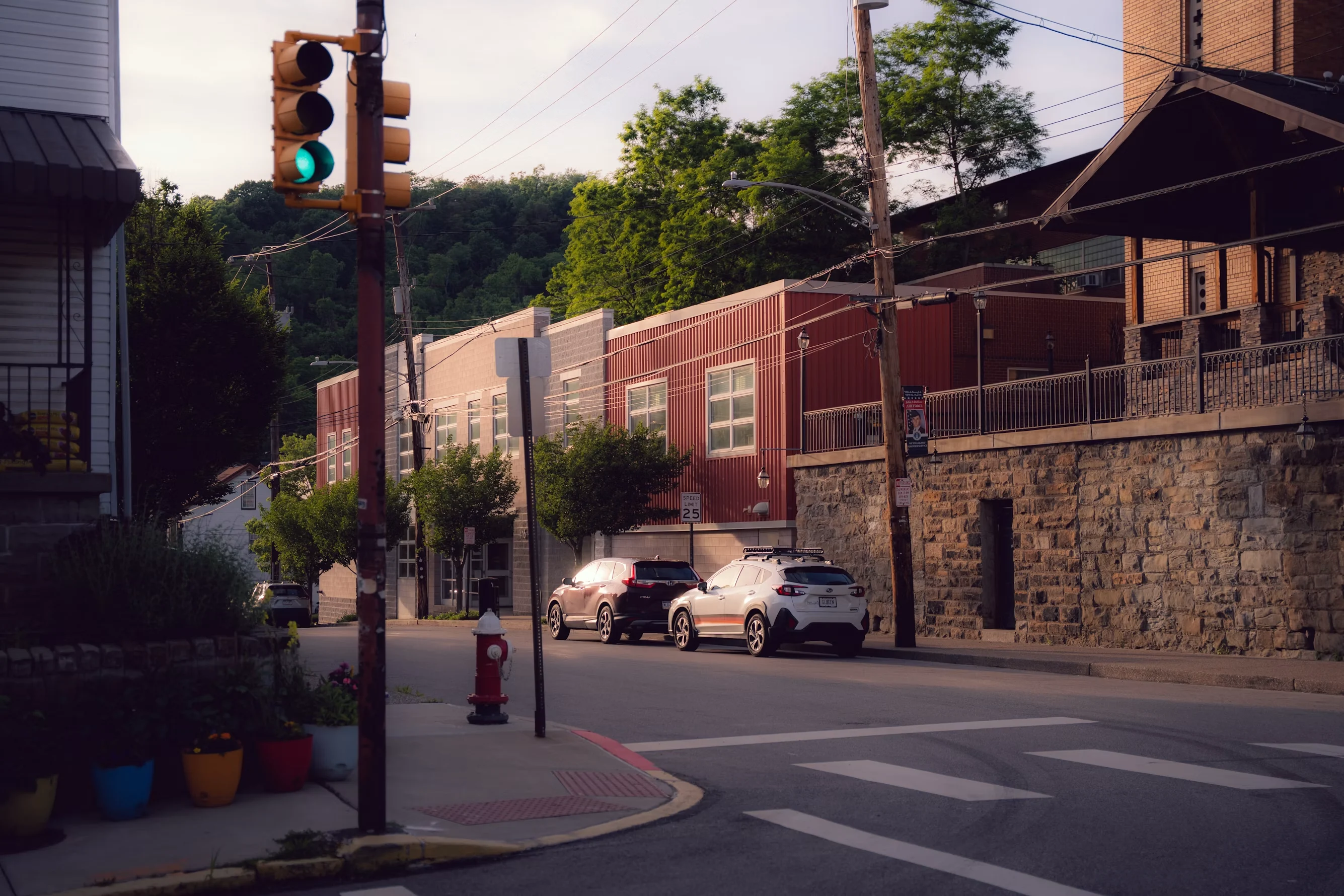
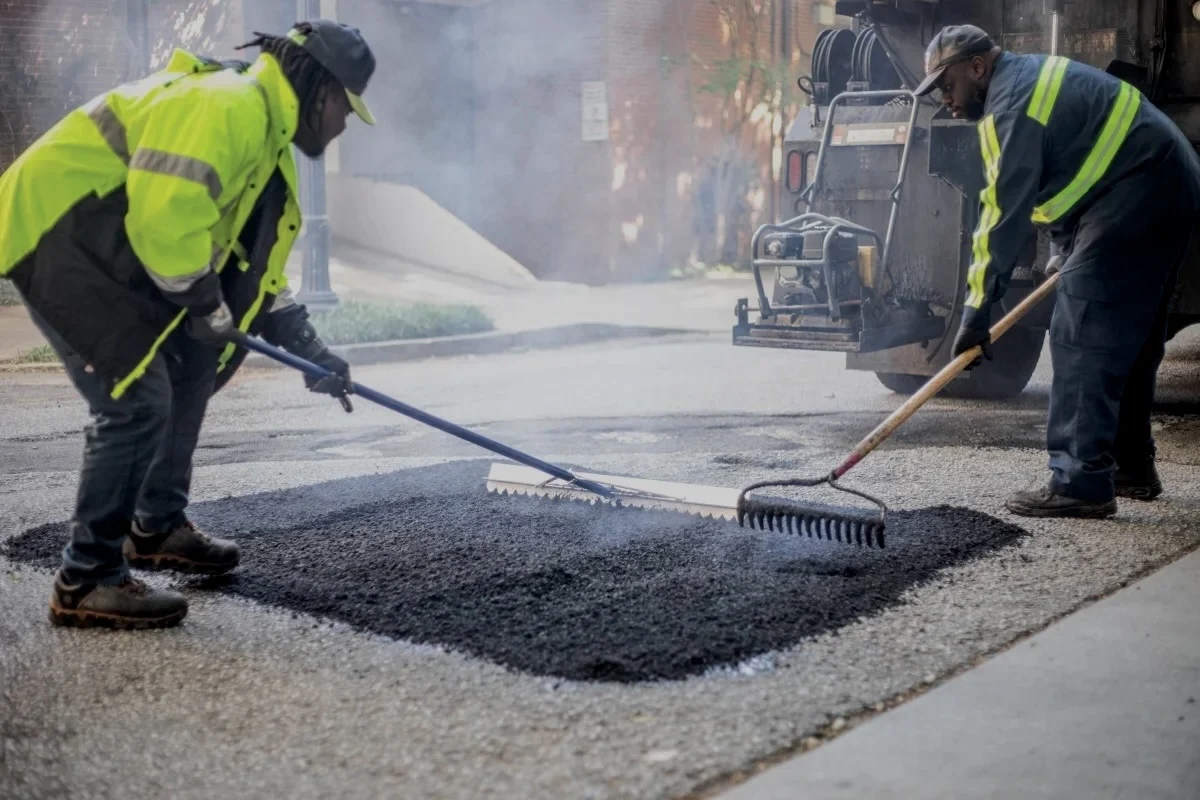
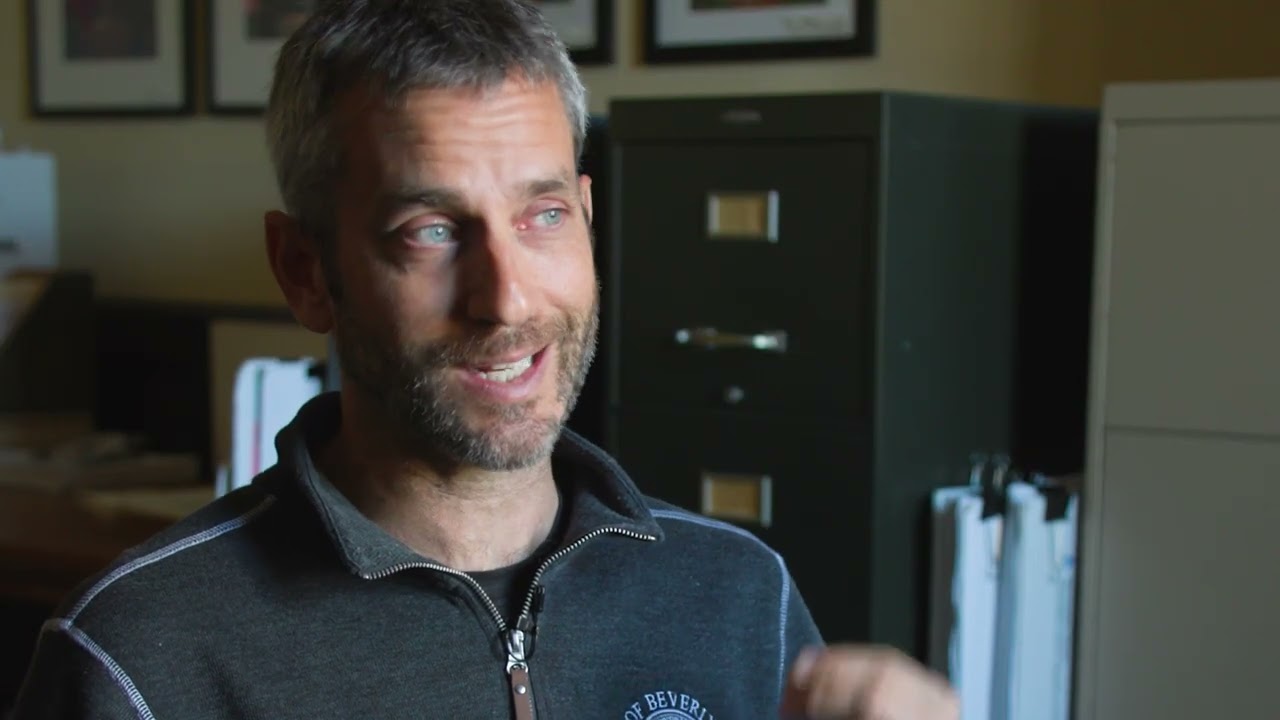
At 18, I worked on a road crew in Southbury, Connecticut. We fixed what residents complained about because the town had no current picture of its streets.
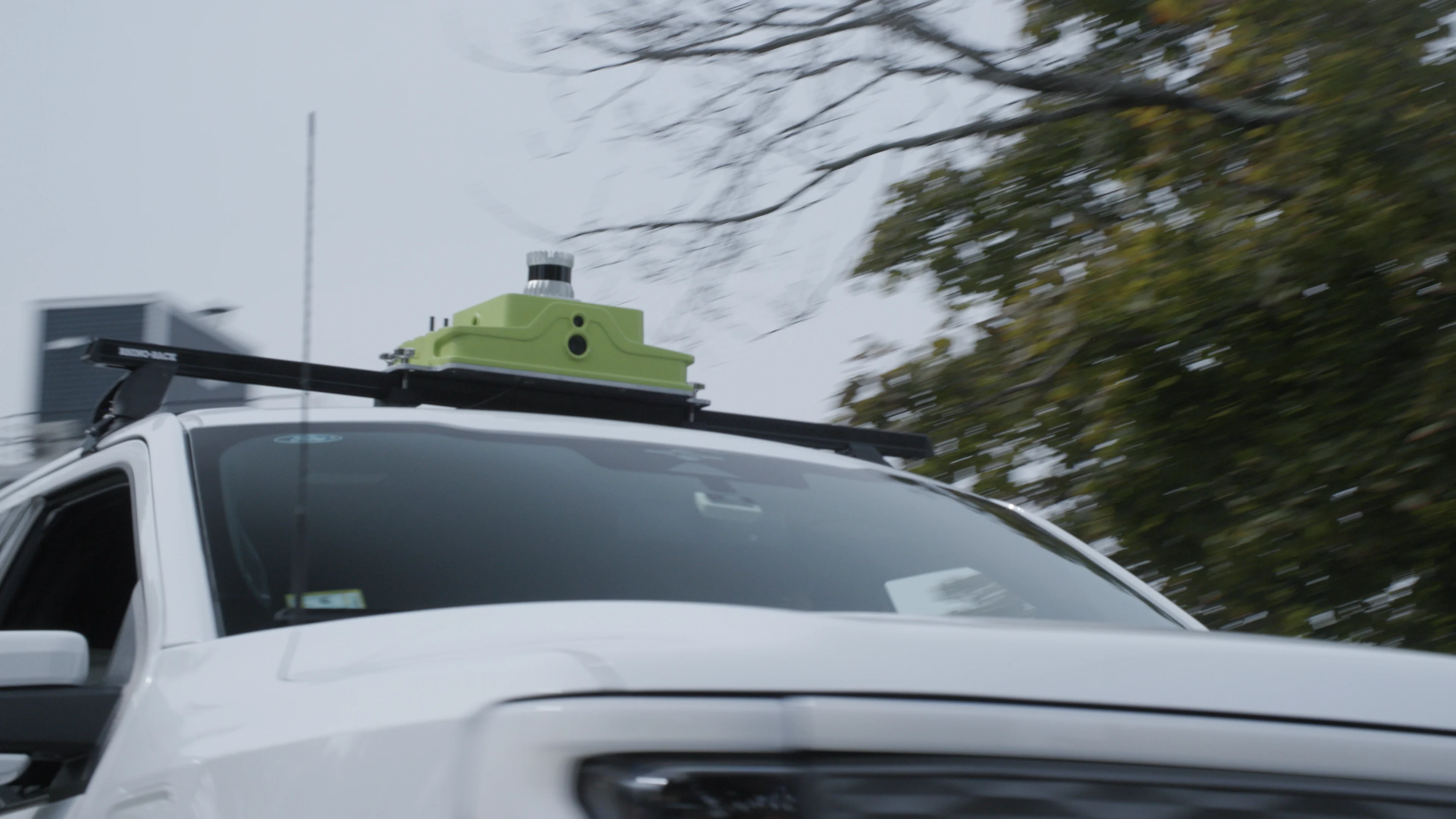
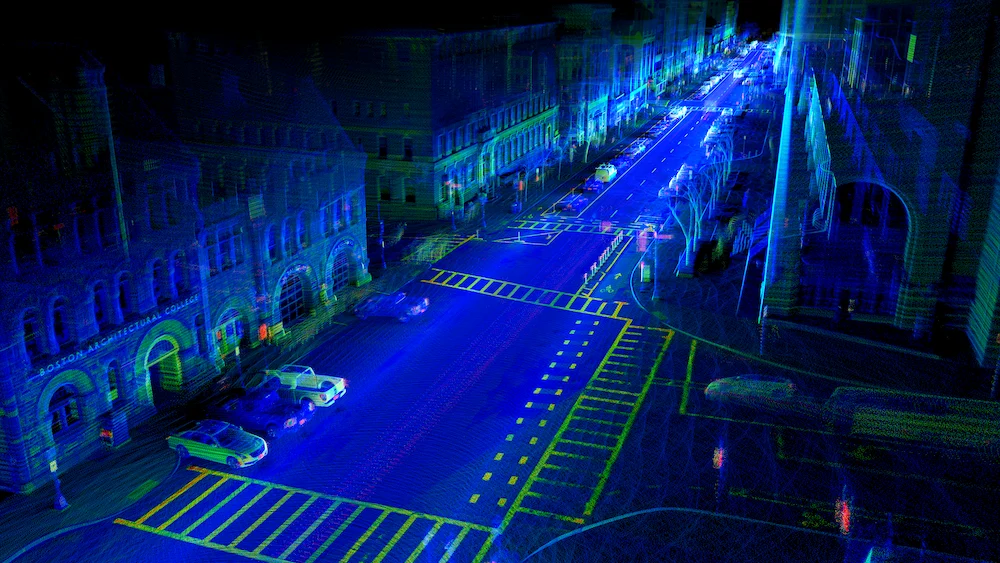
Years later, as LiDAR sensors became affordable, I saw a way to change that. Put them on city vehicles, map the streets as those vehicles drive, and give public works teams information they can actually use.
How come I can query a database, but I can't query a road?
Noah and I met public works directors across Massachusetts. Again and again, their best record of the streets was an old paper binder. Cities needed a way to see what was happening now.
Our mission
Help cities run better than ever before, with sensors and decision-making software.
The problem
Most streets, signs, and pipes haven't been looked at in years, and nobody remembers which ones. The people who did remember are retiring. So decay stays invisible until it becomes a pothole, a broken main, or a failed bridge.

What forgetting costs
We give your city its memory back
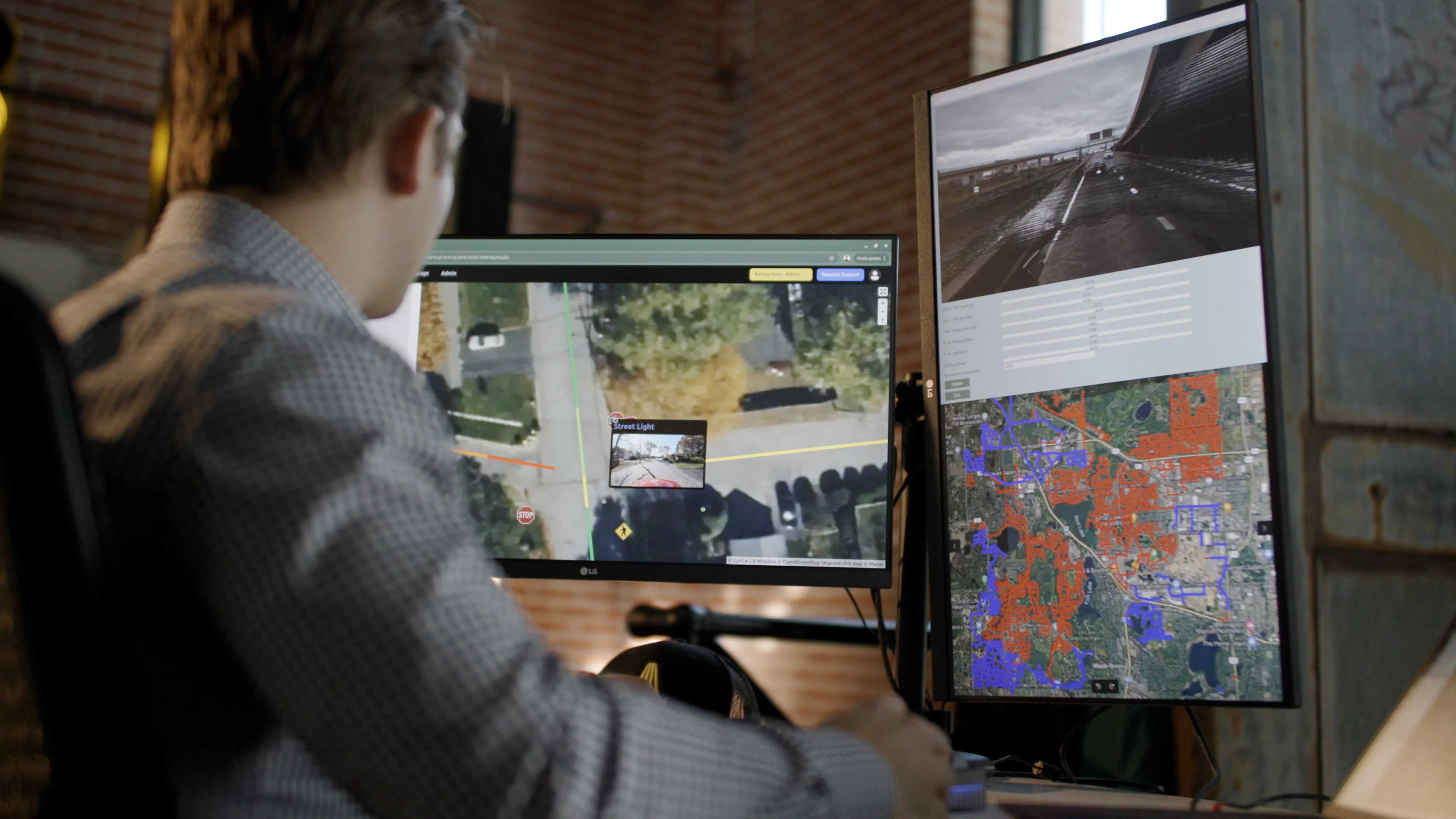
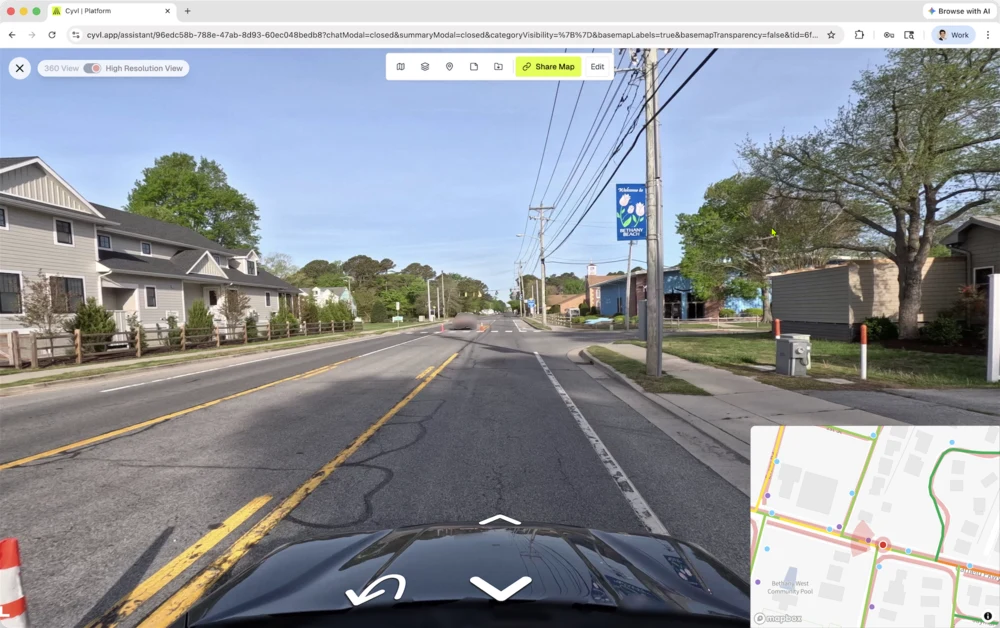
Sensors on vehicles capture LiDAR and 360° imagery as they drive. Our intelligence maps streets, sidewalks, assets, and their condition. The decision-making platform gives city teams a current picture to prioritize repairs and plan budgets.
Three steps to a city that always remembers

Already at work across America
Cyvl already powers decisions about infrastructure that millions of Americans rely on. In the past year, hundreds of cities across the US have adopted our platform as a source of truth for their streets and assets, including Atlanta, Nashville, Buffalo, and Green Bay.
Why us
Our team combines skills that rarely sit in one room: hardware, geospatial intelligence at scale, robotics, civil engineering, and government relations. We have a former public works commissioner of a major city and a former federal highway administrator on the team, and we're advised by leaders of the largest civil engineering firms, along with city leaders and mayors who want a better future.
Our data has been validated with the National Center for Asphalt Technology at Auburn. We've won competitive contracts against multi-billion dollar engineering firms, technology companies, and consultants, from small towns to the largest cities in America.
It's 2026. Your city shouldn't have infrastructure amnesia.
Daniel Pelaez
Co-founder and CEO, Cyvl